Gathering the gems worth your time…
Destination guide
Évora
Portugal
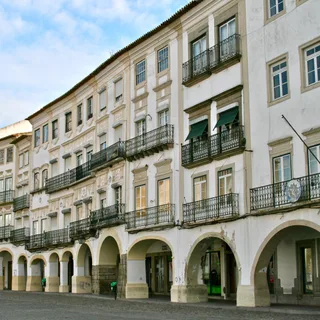
Évora is a city and a municipality in the district of Évora, in the Alto Alentejo region of southern Portugal. Due to its well-preserved old town centre, still partially enclosed by medieval walls, and many monuments dating from various historical periods, including a Roman temple, Évora is a UNESCO World Heritage…
Introduction quoted from Wikivoyage, CC BY-SA
At a glance
- Best time to go
- October–May
- Vetted picks
- 12 places — 2 backed by 3+ independent sources
- Real coverage
- 7 vetted creator sources
AI insights
Computed from the Wikivoyage listings, transport section and YouTube view counts on this page
The most-viewed guide here is "ÉVORA | ROTEIRO DE UM DIA NA CIDADE Portugal 2024" by Duany Polidoro (18K views) — a solid first watch.
Duany Polidoro is a creator from here, not a visiting channel — worth watching for what the guidebooks skip.
Getting around: getting around — the section below has the details straight from Wikivoyage.
How these 12 picks are sourced
8 of 12 are named by a second, independent source — Lonely Planet, Before You Go and Lucas World Travel — and each card names its own. The remaining 4 rest on the reference article alone: we list them because Wikivoyage or Wikipedia documents them, not because anyone else vouched for them. We also watched 7 creator videos, 1 of them from local channels rather than visiting ones. 6 of the 12 descriptions are quoted word for word from Wikivoyage under CC BY-SA rather than written by us, as is the introduction above — each of those cards says so. What we add is the checking, the corroboration above, and the choice of which places are worth your time at all.What we can't promise is that it's still true. Venues close, hours and prices change, and we don't re-check them — a place here closed for good and sat on this page for a year before anyone noticed. The insights are AI-written from these sources and can be wrong too. Confirm anything you'd be sorry to be wrong about before you set out. Terms.
Watch first
Ranked by views and how well each landed with the people who watched it, judged against the other coverage of this place — plus a local creator where we found one.

ÉVORA | ROTEIRO DE UM DIA NA CIDADE Portugal 2024
Duany Polidoro · 18K viewsLocalpt

O que fazer em Évora, a cidade-museu incrível de Portugal
Patty Leone Top Travels · 107K viewspt

ÉVORA, PORTUGAL | ROTEIRO COMPLETO do que FAZER em 1 DIA! ATRAÇÕES E VALORES!
César Por Aí · 42K viewspt
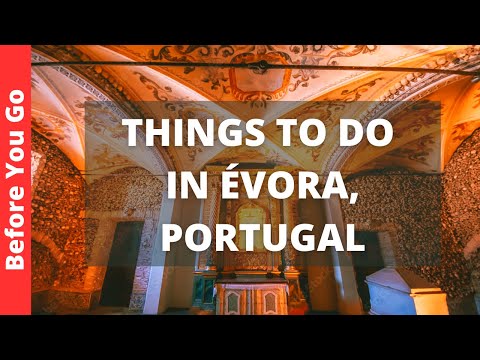
Evora Portugal Travel Guide: 12 BEST Things To Do In Évora
Before You Go · 39K views
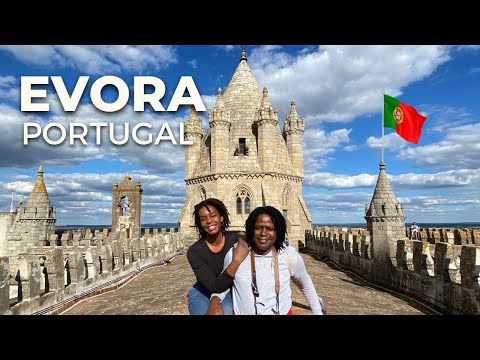
EVORA PORTUGAL - This Lisbon Day Trip Really Surprised Us!!
Lucas World Travel · 21K views

ÉVORA | O QUE VISITAR EM ÉVORA?
Nathy Costa · 7K viewspt
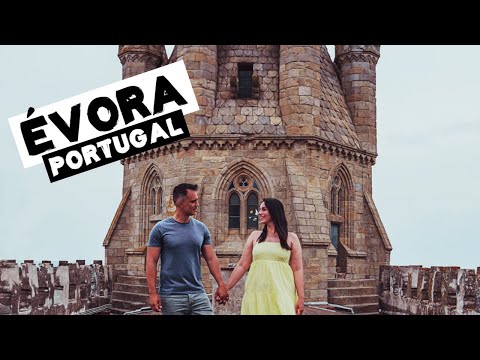
1 DIA EM ÉVORA - O QUE FAZER
Bruno Costa · 6K viewspt
Best time to go
Best window: October–May
July is the month to avoid — punishing heat. The window below is when it is genuinely pleasant.
Jan
Feb
Mar
Apr
May
Jun
Jul
Aug
Sep
Oct
Nov
Dec
IdealGoodOkayOff-season
Rated from ten years of daily temperature and rainfall recorded at this destination, via Open-Meteo's ERA5 reanalysis. Hover a month for its real numbers.
Getting around
Getting around
One of the nicer ways to see the city is by horse carriage ride. You can find them near the cathedral. Otherwise there's no real problem in walking between most of the main sights.
Transport notes from Wikivoyage, CC BY-SA 4.0.
What to see
Places are listed from Wikivoyage and our own sourced research. Worth it means a second, independent source names the place too; “3 sources agree” means three or more do — and each card names them, so you can check. Single source means the opposite, said plainly: the reference article lists it and nothing else we checked does.
Cathedral of Évora
3 sources agreeAlso recommended by Before You Go and 2 others
Mainly built between 1280 and 1340, it is one of the most important gothic monuments of Portugal.
Description quoted from Wikivoyage, CC BY-SA
Vetted sources
Roman Temple of Évora
3 sources agreeAlso recommended by Before You Go and 2 others
Improperly referred to as the Temple of Diana, was a 1st-century (in some references 2nd or 3rd century) temple, dedicated to the cult of Emperor Augustus, that was incorporated into mediaeval building and, thus…
Description quoted from Wikivoyage, CC BY-SA
Vetted sources
Capela dos Ossos
Worth itAlso recommended by Lonely Planet and 1 other
Walls and columns lined with the bones and skulls of roughly 5,000 people confront you with an inscription reading 'we bones that are here await yours.'
Vetted sources
Templo Romano (Roman Temple)
Worth itAlso recommended by Lonely Planet
Cinematic Corinthian columns still stand in the square, a 2,000-year-old temple next to the old Roman baths.
Vetted sources
Évora Cathedral and cloisters
Worth itAlso recommended by Lonely Planet
You climb the roof of this elaborate medieval cathedral for views over the whole walled town.
Vetted sources
Prata Aqueduct
Single sourceDesigned by military architect Francisco de Arruda (who previously designed the Belém Tower, it was built during the reign of by King João III between 1531 and 1537, the huge arches which stretched 9…
Description quoted from Wikivoyage, CC BY-SA
Vetted sources
Saint Francis Church
Single sourceBuilt between the end of the 15th and the early 16th centuries in mixed Gothic-Manueline styles. The wide nave is a masterpiece of late Gothic architecture.
Description quoted from Wikivoyage, CC BY-SA
Vetted sources
Chapel of São Brás
Single sourceAvenida Dr. Francisco Barahona 1
Built around 1480, it is a good example of Mudéjar-Gothic with cylindrical buttresses. Only open for prayer.
Description quoted from Wikivoyage, CC BY-SA
Vetted sources
What to eat
Restaurante Fialho
Worth itAlso recommended by Lonely Planet
Open since 1945 with waiters in waistcoats, you can order pigeon rice or partridge Convento da Cartuxa-style, refined Alentejo dishes rarely found elsewhere.
Vetted sources
Botequim da Mouraria
Worth itAlso recommended by Lonely Planet
A nine-seat husband-and-wife spot hidden in the Mouraria alleys where Senhor Domingos pours the wine and Florbela cooks porco preto.
Vetted sources
Café Alentejo
Worth itAlso recommended by Lonely Planet
A cosy, red-cellar local haunt filled with families celebrating birthdays over an extensive Alentejo menu.
Vetted sources
Restaurante O Templo
Single sourceRua do Escrivão da Câmara 2B
Small, friendly restaurant serving authentic Alentejan cuisine.
Description quoted from Wikivoyage, CC BY-SA
Vetted sources
Build your day
Pick the places you want in Évora, Portugal and we will put them on a map in an order that does not cross the city twice.
Where to next
Nearby cities in Portugal we’ve vetted too.
- LisbonHilltop capital of tiled facades, yellow trams, and 18 Michelin-starred restaurants including José Avillez's two-star Belcanto.
- SintraA UNESCO World Heritage hillside of fantastical palaces, including the candy-colored Pena Palace, in a cool misty forest.
- CascaisFormer fishing village turned upscale beach resort on the Lisbon coast, with the dramatic Boca do Inferno sea cave.
- ÓbidosA medieval walled town famous for ginjinha cherry liqueur served in chocolate cups.
- NazaréFishing town famous for the record-breaking giant waves that big-wave surfers ride off Praia do Norte.
- Algarve/LagosGolden sea-cliffs and grotto-lined beaches like Ponta da Piedade define Portugal's southern coast resort hub.
Travel content from Wikivoyage, CC BY-SA 4.0. Encyclopedic context from Wikipedia, CC BY-SA 4.0. Videos via the YouTube Data API.