Gathering the gems worth your time…
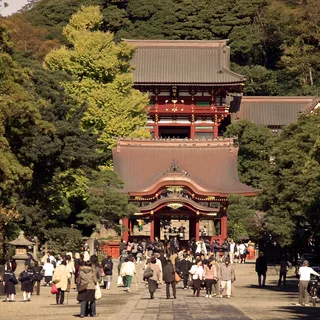
Destination guide
Kamakura
Japan
Kamakura () is a small city in Kanagawa Prefecture, south of Tokyo, Japan. It is a very popular destination among Tokyoites for its beaches, lively center and many temples.
Introduction quoted from Wikivoyage, CC BY-SA
Sources gathered & checked 4 days ago
At a glance
- Best time to go
- March and November
- Getting around
- Bike
- Vetted picks
- 17 places to see, do, eat, and stay
- Real coverage
- 7 vetted creator sources — mostly locals
AI insights
Local-ledComputed from the Wikivoyage listings, transport section and mostly LOCAL creators' videos on this page
The most-viewed guide here is "【湘南 鎌倉】絶対外せない観光スポットを25ヵ所一気に紹介します!2024最新版" by ゆめたび全国版【観るガイドブック】 (120K views) — a solid first watch.
ゆめたび全国版【観るガイドブック】 and ackyの休日散歩 are creators from here, not a visiting channel — worth watching for what the guidebooks skip.
Getting around: by bike — the section below has the details straight from Wikivoyage.
4 of the places below list a real price from their own source — worth a scan before you budget the trip.
How these 17 picks are sourced
4 of 17 are named by a second, independent source — Japan Guide — and each card names its own. The remaining 13 rest on the reference article alone: we list them because Wikivoyage or Wikipedia documents them, not because anyone else vouched for them. We also watched 7 creator videos, 5 of them from local channels rather than visiting ones. 13 of the 17 descriptions are quoted word for word from Wikivoyage under CC BY-SA rather than written by us, as is the introduction above — each of those cards says so. What we add is the checking, the corroboration above, and the choice of which places are worth your time at all.What we can't promise is that it's still true. Venues close, hours and prices change, and we don't re-check them — a place here closed for good and sat on this page for a year before anyone noticed. The insights are AI-written from these sources and can be wrong too. Confirm anything you'd be sorry to be wrong about before you set out. Terms.
Watch first
Ranked by views and how well each landed with the people who watched it, judged against the other coverage of this place — plus a local creator where we found one.

【湘南 鎌倉】絶対外せない観光スポットを25ヵ所一気に紹介します!2024最新版
ゆめたび全国版【観るガイドブック】 · 120K viewsLocalja

THE Kamakura Guide: Ultimate Iconic Day Trip from Tokyo!
PiQtour Japan · 75K views

【鎌倉旅行/2024】鎌倉観光に役立つおすすめコース! 8時間で巡る定番の鎌倉観光と湘南・江ノ島を巡る旅【鎌倉に行こう!】
ackyの休日散歩 · 90K viewsLocalja

KAMAKURA is Amazing! 🇯🇵 (10 things to do on Tokyo’s best day trip!)
IfWeGoTo · 31K views

【鎌倉旅行】鎌倉観光おすすめスポット13選!|王道食べ歩きグルメと穴場カフェを1日で満喫
eat and sleep... 旅 · 70K viewsLocalja

【2025完全版】絶対行くべき鎌倉定番スポット13選
大人の鎌倉〜夫婦旅〜 · 27K viewsLocalja

【保存版】鎌倉1日観光モデルコース|人混みを避けて巡る大人の鎌倉旅
ゆゆ旅夫婦 / Japan Travel · 19K viewsLocalja
Best time to go
Best window: March and November
July is the month to avoid — very heavy rain. The window below is when it is genuinely pleasant.
Jan
Feb
Mar
Apr
May
Jun
Jul
Aug
Sep
Oct
Nov
Dec
IdealGoodOkayOff-season
Rated from ten years of daily temperature and rainfall recorded at this destination, via Open-Meteo's ERA5 reanalysis. Hover a month for its real numbers.
Getting around
By bike
Bicycles can be rented from several locations, though rates are expensive.
Transport notes from Wikivoyage, CC BY-SA 4.0.
What to see
Places are listed from Wikivoyage and our own sourced research. Worth it means a second, independent source names the place too; “3 sources agree” means three or more do — and each card names them, so you can check. Single source means the opposite, said plainly: the reference article lists it and nothing else we checked does.
Hasedera
Worth itAlso recommended by Japan Guide
This temple, also called "Hase Kannon", is home to the largest wooden statue in Japan, representing Buddhist deity Kannon. An interesting if somewhat claustrophobic grotto on the grounds is filled with statues of Benzaiten.
Description quoted from Wikivoyage, CC BY-SA
Vetted sources
Great Buddha of Kotokuin
Worth itAlso recommended by Japan Guide
Stand before the 11.4-metre bronze Amida Buddha, cast in 1252 and open to the sky since a 15th-century tsunami destroyed the hall that once enclosed it.
Vetted sources
Hasedera Temple
Worth itAlso recommended by Japan Guide
Climb the wooded hillside to see the gilded nine-metre eleven-headed Kannon statue, one of Japan's largest wooden sculptures, with sea views from the terrace.
Vetted sources
Kamakurakōkōmae Station
Single sourceFans of Japanese anime, TV shows and movies will instantly recognize the surroundings of this station as the location is frequently featured.
Description quoted from Wikivoyage, CC BY-SA
Vetted sources
Tsurugaoka Hachimangū Shrine
Single sourceThe largest Shinto shrine in otherwise almost solidly Buddhist Kamakura, built by Yoritomo Minamoto (1147-1199) founder of the Kamakura Shogunate and the first Shogun in the Kamakura Period (1185-1333).
Description quoted from Wikivoyage, CC BY-SA
Vetted sources
Kōtokuin
Single sourceHome of the famous Great Buddha (大仏 Daibutsu), a bronze statue of Amida that at 13.35 meters is the second largest bronze statue in Japan (second only to that in Nara's Todaiji).
Description quoted from Wikivoyage, CC BY-SA
Vetted sources
Myohonji Temple
Single sourceThe cemetery contains the grave of the creator of Ultraman, a popular 1960s TV show. Fans who visit the grave place toy Ultraman action figures on his grave.
Description quoted from Wikivoyage, CC BY-SA
Vetted sources
Zeniarai Benten Shrine
Single sourceAn atmospheric shrine in the hills dedicated to the deity Benzaiten, but popularly named after the most common activity: according to legend, any money (zeni) washed (arai) in the cave here will be doubled.
Description quoted from Wikivoyage, CC BY-SA
Vetted sources
What to do
Enoden Line ride to Hase Station
Worth itAlso recommended by Japan Guide
Rattle along the seaside single-track railway that locals and photographers treat as an attraction in its own right on the way to the Buddha and temples.
Vetted sources
Yuigahama
Single sourceSeveral hundred meters south of Yuigahama Station.
This is a representative beach in Kamakura, so many people visit in summer to enjoy the sea-bathing there.
Description quoted from Wikivoyage, CC BY-SA
Vetted sources
Inamuragasaki
Single sourcea one-minute walk S from Inamuragasaki Station.
This is also a famous beach. The Inamuragasaki Park (稲村ガ崎公園 Inamuragasaki Kōen) is there and is well known for its sunsets. The film "Inamura Jane" (稲村ジェーン), directed by Keisuke Kuwata, was set there.
Description quoted from Wikivoyage, CC BY-SA
Vetted sources
Shichirigahama
Single sourceseveral hundred meters SE of Shichirigahama Station.
This is also a famous beach in Kamakura. Unfortunately, swimming is prohibited. But it's still a good beach to relax and have an enjoyable time. Many surfers enjoy surfing there.
Description quoted from Wikivoyage, CC BY-SA
Vetted sources
Fueda Park
Single sourceKeihinkyuko bus from Kamakura station to Fueda
This park has a baseball field, 4 tennis courts and a large multipurpose field. Sports equipment is available for rental. A soccer ball, basketball, or tennis racket for 2 hours.
Vetted sources
What to eat
Roastbeef Kamakurayama
Single sourceFamous for its roast beef. It has a dress code, so you can't wear "rough" clothes like jeans or shorts. Reservation is always needed and the cost is high at this restaurant.
Description quoted from Wikivoyage, CC BY-SA
Vetted sources
Raitei
Single sourceFueda
Soba restaurant. More expensive than other places, but delicious.
Description quoted from Wikivoyage, CC BY-SA
Vetted sources
Where to stay
Kamejikan Guest House
Single source3-17-21 Zaimokuza
Wonderful helpful staff English-speaking and delicious coffee shop. Quiet and a stroll away from the beach.
Description quoted from Wikivoyage, CC BY-SA
Vetted sources
Sotetsu Fresa Inn Kamakura Ofuna Station East Exit
Single source1 min from JR Ofuna Station.
Very comfortable. The chain has another premise near the station,.Kasama Exit.
Description quoted from Wikivoyage, CC BY-SA
Vetted sources
Build your day
Pick the places you want in Kamakura, Japan and we will put them on a map in an order that does not cross the city twice.
Where to next
Nearby cities in Japan we’ve vetted too.
- YokohamaJapan's largest Chinatown sits beside the modern Minato Mirai harbour skyline.
- TokyoThe world's most Michelin-starred city, from Tsukiji Outer Market breakfasts to the neon Shibuya crossing.
- HakoneHot-spring ryokan town with views of Mount Fuji across Lake Ashi.
- NikkoToshogu Shrine's gilded mausoleum sits deep in cedar-forested mountains.
- MatsumotoOne of Japan's original wooden castles, the black 'Crow Castle', rises against the Alps.
- TakayamaAn Edo-period old town of dark-wood merchant houses in the Japanese Alps, famed for Hida beef.
Travel content from Wikivoyage, CC BY-SA 4.0. Encyclopedic context from Wikipedia, CC BY-SA 4.0. Videos via the YouTube Data API.