Gathering the gems worth your time…
Destination guide
Azores
Portugal
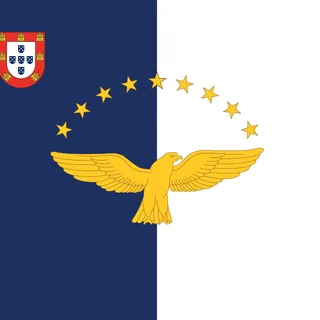
The archipelago of the Azores (Portuguese: Açores) is an autonomous region of Portugal. This group of islands of the Atlantic Ocean is an ultra-peripheral area of the European Union.
Introduction quoted from Wikivoyage, CC BY-SA
Sources gathered & checked 7 days ago
At a glance
- Best time to go
- January–May and July–August
- Getting around
- Bus · Taxi · Bicycle
- Vetted picks
- 24 places to see, do, eat, and stay
- Real coverage
- 5 vetted creator sources
AI insights
Computed from the Wikivoyage listings, transport section and YouTube view counts on this page
The most-viewed guide here is "Açores. A maravilha verde do Atlântico. Grande episódio" by As viagens de Antônio (1.2M views) — a solid first watch.
As viagens de Antônio and Start! Be Global are creators from here, not a visiting channel — worth watching for what the guidebooks skip.
Getting around: by bus, by taxi, by bicycle and 2 more — the section below has the details straight from Wikivoyage.
4 of the places below list a real price from their own source — worth a scan before you budget the trip.
How these 24 picks are sourced
6 of 24 are named by a second, independent source — Lonely Planet and Matt James — and each card names its own. The remaining 18 rest on the reference article alone: we list them because Wikivoyage or Wikipedia documents them, not because anyone else vouched for them. We also watched 5 creator videos, 2 of them from local channels rather than visiting ones. 20 of the 24 descriptions are quoted word for word from Wikivoyage under CC BY-SA rather than written by us, as is the introduction above — each of those cards says so. What we add is the checking, the corroboration above, and the choice of which places are worth your time at all.What we can't promise is that it's still true. Venues close, hours and prices change, and we don't re-check them — a place here closed for good and sat on this page for a year before anyone noticed. The insights are AI-written from these sources and can be wrong too. Confirm anything you'd be sorry to be wrong about before you set out. Terms.
Watch first
Ranked by views and how well each landed with the people who watched it, judged against the other coverage of this place — plus a local creator where we found one.

Açores. A maravilha verde do Atlântico. Grande episódio
As viagens de Antônio · 1.2M viewsLocalpt

HOW TO TRAVEL AZORES in 2024 (São Miguel Island) | Ultimate 7-Day Itinerary
Matt James · 497K views
AÇORES - O QUE VISITAR na Ilha de São Miguel
Start! Be Global · 67K viewsLocalpt

IN THE MOOD FOR AZORES: PART 1 | São Miguel Island | Travel Guide to Azores (Açores), Portugal
In the Mood for Life · 153K views

The BEST Things to do in Sao Miguel Azores, Portugal | Sete Cidades, Hot springs, Ponta Delgada…
NALBA TRAVELS · 79K views
Best time to go
Best window: January–May and July–August
Kind weather all year — there is no month to avoid.
Jan
Feb
Mar
Apr
May
Jun
Jul
Aug
Sep
Oct
Nov
Dec
IdealGoodOkayOff-season
Rated from ten years of daily temperature and rainfall recorded at this destination, via Open-Meteo's ERA5 reanalysis. Hover a month for its real numbers.
Getting around
By bus
On most islands there are bus services, crossing the main villages. On the smaller islands, however, the buses may have only a few runs per day or none at all on certain days (Sundays, holidays).
By taxi
Taxis are centrally regulated throughout the islands so visitors pay the same rate as locals. In São Miguel (2015), it costs about between the two ends of Ponta Delgada; out of town trips are or to the farthest parts of the island.
By bicycle
Cycling around the islands is possible if you are in great shape, and don't mind a lot of hill climbing. This is more an option if cycling is the purpose (cycling enthusiast), rather than for transportation.
By ferry
Ferries connect each of the islands and are operated by Atlanticoline. There are several lines that operate: Lilás (purple): Faial - Pico - São Jorge - Terceira Branca (white): Faial - Pico - São Jorge - Graciosa - Terceira
Youth discount on ferries with the Interjovem Card
The Interjovem Card limits the cost of any ferry trip to making the ferry by far the cheapest way to travel between islands. The card is available to anyone between the ages of 13 and 30 and costs .
Transport notes from Wikivoyage, CC BY-SA 4.0.
What to see
Places are listed from Wikivoyage and our own sourced research. Worth it means a second, independent source names the place too; “3 sources agree” means three or more do — and each card names them, so you can check. Single source means the opposite, said plainly: the reference article lists it and nothing else we checked does.
Caldeira
Worth itAlso recommended by Matt James
Stopped here on camera: Matt James
The centre of Faial is occupied by a large crater, called "Caldeira".
Description quoted from Wikivoyage, CC BY-SA
Vetted sources
Sete Cidades twin crater lakes
Worth itAlso recommended by Lonely Planet
You look down into a volcanic caldera holding one blue lake and one green lake side by side, a view built for the postcard racks.
Vetted sources
Ponta Delgada historic center
Worth itAlso recommended by Lonely Planet
You stroll past white buildings with black basalt trim and wrought-iron balconies in the Azores' handsome capital.
Vetted sources
Ponta da Ferraria
Single source· Free
Geologically the youngest part of the island, with therapeutic hot springs that have been used since the 15th century. The best time to visit is at low tide.
Description quoted from Wikivoyage, CC BY-SA
Vetted sources
Capelinhos volcano
Single sourceA volcanic eruption lasted for 13 months, from 27 September 1957 until 24 October 1958, which may have been two overlapping volcanic eruptions.
Description quoted from Wikivoyage, CC BY-SA
Vetted sources
Lagoa das Sete Cidades
Single sourceA set of lakes in a caldera northwest of Ponta Delgada. Steep mountain walls surround the twin lakes, Lagoa Verde and Lagoa Azul. The colour of the lakes is explained in a [local…
Description quoted from Wikivoyage, CC BY-SA
Vetted sources
Gruta dos Enxaréus
Single sourceVisible only by boat, the grotto is the largest of the myriad caves that open at the base of the promontory "La Caveira", about 3 km south of the capital.
Description quoted from Wikivoyage, CC BY-SA
Vetted sources
Parish church of Igreja de Nossa Senora de Guadalupe
Single sourceGuadeloupe is on the EN3 road, which turns south at a right angle across the interior of the island to Pedras Brancas; buses Z2A and Z2B go here
Construction began in 1713. Due to a series of tremors in 1717 that lasted a week, construction stalled and was then resumed and interrupted several times.
Description quoted from Wikivoyage, CC BY-SA
Vetted sources
What to do
Gorreana Tea Factory
Worth itAlso recommended by Matt James
Stopped here on camera: Matt James
In Porto Formoso
Europe's oldest and only operating tea factory. Take a self-guided tour of the plantation grounds through well-marked paths and a small museum featuring 19th-century machinery.
Description quoted from Wikivoyage, CC BY-SA
Vetted sources
Furnas thermal springs
Worth itAlso recommended by Lonely Planet
You soak in a bath heated by an underground volcano after a morning spent hiking around crater lagoons.
Vetted sources
Gruta do Carvão lava tubes
Worth itAlso recommended by Lonely Planet
You put on a hard hat and headlamp to walk through tunnels carved by fast-flowing lava that cooled and hollowed out beneath São Miguel.
Vetted sources
Azores Whale Watching Terra Azul
Single sourcefrom Ponta Delgada city centre by auto, head east along the coast and follow directions to Vila Franca do Campo; once in Vila Franca do Campo, descend towards sea level and the marina where their base and yellow boats are stationed - and free parking can be found
Offers wildlife tours such as whale watching, bird watching, swimming with dolphins tours, and snorkelling trips to the Islet of Vila Franca de Campo, and other volcanic and natural marvels in the island.
Description quoted from Wikivoyage, CC BY-SA
Vetted sources
Azorean Active Blueberry
Single sourceOffers canyoning, climbing, and coasteering tours along different stretches of the island. Activities involve repelling, waterfall sliding, snorkeling, cliff jumping and climbing.
Description quoted from Wikivoyage, CC BY-SA
Vetted sources
A Mulher de Capote Liquor Factory
Single sourceA factory producing local fruit liquors and brandy. Take a tour and taste samples, also purchase locally made liquors.
Description quoted from Wikivoyage, CC BY-SA
Vetted sources
Caldeira hiking trail
Single sourceThe highest elevation on the island, at 402 m.
Description quoted from Wikivoyage, CC BY-SA
Vetted sources
Pista da Caldeira
Single sourcenear Parque Cabouco
The 12-km-long, easy Levanda hiking trail begins not far from Centro de Artesanato do Capeloon the EN1-1A. The red-leaved tree ferns are striking along the way. You should plan four hours.
Description quoted from Wikivoyage, CC BY-SA
Vetted sources
What to eat
Peter Café Sport
Single sourceRua José Azevedo 9, Horta
A historic cafe that has existed since 1918 and is popular with sailors on their way from the Caribbean to the European coasts. It is called "the most famous bar in the Atlantic".
Description quoted from Wikivoyage, CC BY-SA
Vetted sources
Espaço Em Cena
Single sourceEN 1-2A
A mix of "new" Portuguese cuisine and traditional dishes in a casual yet elegant environment.
Description quoted from Wikivoyage, CC BY-SA
Vetted sources
Restaurante "O Moreão"
Single sourceRua Dr. Armas da Silveira 21, Santa Cruz das Flores
Lots of seafood and other interesting choices.
Description quoted from Wikivoyage, CC BY-SA
Vetted sources
Where to stay
Casa Maria de Deus
Single sourceRua III Visconde Botelho 4, Nossa Senhora dos Remédios, Povoação
Casa Maria de Deus has been a home for many people travelling to the area for 25 years. A comfortable place to stay in a small village and experience village life of times past.
Description quoted from Wikivoyage, CC BY-SA
Vetted sources
Boutique Hostel Porto Velho
Single sourceRua Doutor Freitas Pimentel nº5, Madalena· Cheap
Near the ferry terminal and centre of town in Madelena, overlooking the harbour.
Description quoted from Wikivoyage, CC BY-SA
Vetted sources
Pocinhobay
Single sourcePocinho, Candelária
6-room boutique hotel with traditional stone cottages and modern decor.
Description quoted from Wikivoyage, CC BY-SA
Vetted sources
Argonauta
Single sourceRua Senador André de Freitas 5, Fajã Grande
An excellent Italian-Portuguese bed-and-breakfast.
Description quoted from Wikivoyage, CC BY-SA
Vetted sources
Quinta de São Pedro
Single sourceLugar de São Pedro, Velas
Rural accommodation with swimming pool, free breakfast, free Wi-Fi, and free parking.
Description quoted from Wikivoyage, CC BY-SA
Vetted sources
Build your day
Pick the places you want in Azores, Portugal and we will put them on a map in an order that does not cross the city twice.
Where to next
More of Portugal we’ve vetted — nothing else is close by.
- LisbonHilltop capital of tiled facades, yellow trams, and 18 Michelin-starred restaurants including José Avillez's two-star Belcanto.
- PortoPort wine cellars line the Douro River below a UNESCO-listed old town famous for the artery-clogging francesinha sandwich.
- SintraA UNESCO World Heritage hillside of fantastical palaces, including the candy-colored Pena Palace, in a cool misty forest.
- Algarve/LagosGolden sea-cliffs and grotto-lined beaches like Ponta da Piedade define Portugal's southern coast resort hub.
- MadeiraVolcanic Atlantic island of levada trail hikes, subtropical gardens, and dramatic sea cliffs at Cabo Girão.
- Douro ValleyTerraced vineyard valley producing Port wine, best seen by river cruise or the Pinhão-to-Peso da Régua train.
Travel content from Wikivoyage, CC BY-SA 4.0. Encyclopedic context from Wikipedia, CC BY-SA 4.0. Videos via the YouTube Data API.