Gathering the gems worth your time…
Destination guide
Fukuoka
Japan
Fukuoka (福岡) is the capital of Fukuoka prefecture and the largest city on the island of Kyushu. Fukuoka is a good starting point for first-time visitors to Japan.
Introduction quoted from Wikivoyage, CC BY-SA
Sources gathered & checked 5 days ago
At a glance
- Best time to go
- March–April and October–November
- Getting around
- Public transport · On foot · Taxi
- Vetted picks
- 25 places to see, do, eat, and stay
- Real coverage
- 5 vetted creator sources
AI insights
AI-written from the Wikivoyage listings, transport section and the video stats on this page
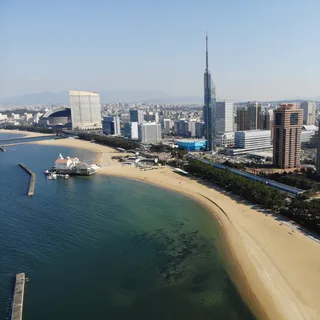
Skip the restaurant inside Fukuoka Tower; it is overpriced and mediocre. Instead, use the tower for the view, then head to the nearby beach area behind the Seahawk Hotel to enjoy a drink at a patio bar while watching the sunset.
When visiting the famous ramen stalls (yatai) in the Nagahama or Nakasu areas, follow your nose. These stalls are a staple of local life, but if you are looking for a specific recommendation for a shop, seek out Yama-chan off the streets of Oyafukodori.
If you plan to use a bicycle to navigate the city, avoid the stress of street-level parking by utilizing the underground parking facilities in Tenjin, which offer the first 3 hours free of charge.
For cultural performances like Noh theatre, check for free shows at the Ohori Koen theatre. Do not feel self-conscious if you find yourself nodding off; falling asleep during these traditional plays is widely considered a standard part of the experience.
Prioritize visiting the Atago Shrine for a panoramic view of the city and bay. To avoid the long set of stairs at the main entrance, look for the side road access path that leads up to the hilltop.
How these 25 picks are sourced
2 of 25 are named by a second, independent source — Lonely Planet and Mark Wiens — and each card names its own. The remaining 23 rest on the reference article alone: we list them because Wikivoyage or Wikipedia documents them, not because anyone else vouched for them. We also watched 5 creator videos, 2 of them from local channels rather than visiting ones. 20 of the 25 descriptions are quoted word for word from Wikivoyage under CC BY-SA rather than written by us, as is the introduction above — each of those cards says so. What we add is the checking, the corroboration above, and the choice of which places are worth your time at all.What we can't promise is that it's still true. Venues close, hours and prices change, and we don't re-check them — a place here closed for good and sat on this page for a year before anyone noticed. The insights are AI-written from these sources and can be wrong too. Confirm anything you'd be sorry to be wrong about before you set out. Terms.
Watch first
Ranked by views and how well each landed with the people who watched it, judged against the other coverage of this place — plus a local creator where we found one.
【福岡観光】福岡で訪れたい観光スポット15選
旅行の達人 · 383K viewsLocalja

Will Rachel Like Fukuoka? レイチェルの初福岡!気に入ってくれるかな?
Micaela ミカエラ · 139K views

【福岡旅行】観光・グルメおすすめ19選!定番から地元民行きつけまで絶対外せないスポットをご紹介│太宰府│福岡タワー│もつ鍋│水炊き│博多│食べ歩き
じゃらん · 123K viewsLocalja
Fukuoka Japan 2024 - Full Travel Guide
TravelScout · 31K views
FUKUOKA TRAVEL GUIDE for First-Timers (with Prices & Things to Do) • The Poor Traveler Japan 2026
THE POOR TRAVELER ® · 25K views
Best time to go
Best window: March–April and October–November
July and August are the months to avoid — very heavy rain. The window below is when it is genuinely pleasant.
Jan
Feb
Mar
Apr
May
Jun
Jul
Aug
Sep
Oct
Nov
Dec
IdealGoodOkayOff-season
Rated from ten years of daily temperature and rainfall recorded at this destination, via Open-Meteo's ERA5 reanalysis. Hover a month for its real numbers.
Getting around
By public transport
The Fukuoka City Subway consists of 3 lines. The Hakata subway station, located under the JR Hakata Station, can take passengers straight to Fukuoka International Airport (6 min, ¥260), to Tenjin, the city's de facto downtown district, and to other major…
On foot
Downtown is small and compact enough to potentially wander around on foot. In the Tenjin area, Tenjin Chikagai (天神地下街, Tenjin Underground Shopping Center) runs under Watanabe Street and has many shops.
By taxi
Taxis are available; they start from about ¥550, not the cheapest way to go. Some drivers speak English, but it's best to have your destination written down in Japanese if you do not speak the language.
By bicycle
If you can get a hold of a bicycle, it is probably the best way to get around. Parking does become a problem in some areas, but in Tenjin there are long term (06:00-23:00) underground parking areas, which are free for the first 3 hr.
By car
It is not a good idea to visit Fukuoka by car. Aside from dense traffic, roads in Fukuoka are generally narrow, especially in alleys. It is not an easy job to find a parking space either.
Transport notes from Wikivoyage, CC BY-SA 4.0.
What to see
Places are listed from Wikivoyage and our own sourced research. Worth it means a second, independent source names the place too; “3 sources agree” means three or more do — and each card names them, so you can check. Single source means the opposite, said plainly: the reference article lists it and nothing else we checked does.
Nakasu
Worth itAlso recommended by Lonely Planet and 1 other
This area is next to Tenjin and is Fukuoka's red-light district, with over 3500 restaurants, as well as ramen stalls (yatai), shopping, pubs, hostess bars, rooftop beer gardens in summer, one surviving movie theater…
Description quoted from Wikivoyage, CC BY-SA
Vetted sources
Fukuoka Tower
Single sourceSawara-ku Momochihama 2-3-26
The triangular reflective tower has magnificent views of the city and Hakata Bay from its 123-meter-high observation deck.
Description quoted from Wikivoyage, CC BY-SA
Vetted sources
Kushida Shrine
Single sourceThe 8th-century Kushida Shrine is starting point for the annual Gion-Yamakasa Festival.
Description quoted from Wikivoyage, CC BY-SA
Vetted sources
Atago Shrine
Single sourceA hidden gem near the Muromi Subway Station, with a superb view of the city and Hakata Bay from a hilltop.
Description quoted from Wikivoyage, CC BY-SA
Vetted sources
ACROS rooftop garden
Single sourceTenjin Chuo Park· Free
The ACROS building has a terraced roof that merges with the park and contains some 35,000 plants representing 76 species. It is 809 steps to the top.
Description quoted from Wikivoyage, CC BY-SA
Vetted sources
Gion
Single sourceThis area has several historical shrines and Buddhist temples, including:
Description quoted from Wikivoyage, CC BY-SA
Vetted sources
What to do
Kabuki theatre
Single sourceAn experience worth checking out. Check times and prices at the Hakata-za near Nakasu. If you don't want to stay for the whole show, or don't have so much money to spend, you can watch part of a show; see here for details.
Vetted sources
Fukuoka SoftBank Hawks baseball
Single sourceWinning the Japan Series seven times between 2011 and 2020, the Hawks was undoubtedly Japan's strongest team in the 2010s.
Description quoted from Wikivoyage, CC BY-SA
Vetted sources
Noh theatre
Single source1-5 Ohorikoen, Chuo-ku
A cultural experience that some may not want to miss.
Description quoted from Wikivoyage, CC BY-SA
Vetted sources
Hakata Dontaku
Single sourceJapan's largest festival, drawing well over 2 million people during the Golden Week holidays. The name "Dontaku" comes from Dutch "zondag" meaning Sunday. The festival features traditional dance.
Description quoted from Wikivoyage, CC BY-SA
Vetted sources
Hakata Gion Yamakasa
Single sourceFukuoka's second-largest festival, drawing up to a million spectators, is famous for the Oiyama parade float race. The elaborately-decorated yamakasa floats, around m 5
Description quoted from Wikivoyage, CC BY-SA
Vetted sources
Momochihama
Single sourcenear the Fukuoka Dome
A stretch of beach where visitors can enjoy a bit of swimming and sun.
Description quoted from Wikivoyage, CC BY-SA
Vetted sources
What to eat
Nakasu Yatai
Worth itAlso recommended by Lonely Planet and 1 other
Riverside open-air food stalls serving Hakata tonkotsu ramen and yakitori after dark.
Vetted sources
Ichiran
Single source2 min from subway Nakasu-kawabata exit 2; five other outlets around town
A well known ramen chain, dedicated solely to perfecting tonkotsu. Buy a ticket from the vending machine outside (just hit the big top button) and take a seat at the counter.
Description quoted from Wikivoyage, CC BY-SA
Vetted sources
Nagahama
Single sourcenorthwest of Oyafuko St
Famous for Hakata's Nagahama ramen, with stalls (yatai) that get set up daily to handle the locals who are proud of their ramen.
Description quoted from Wikivoyage, CC BY-SA
Vetted sources
Ramen Stadium
Single source5th floor of Canal City
This celebration of ramen offers 8 restaurants with every style of ramen between Kyushu and Hokkaido. Ballots collected at the center determine a monthly favorite.
Description quoted from Wikivoyage, CC BY-SA
Vetted sources
Yama-chan
Single sourceTasty ramen and late night hours off the streets of Oyafukodori. Cut through the park behind the police box and you're sure to find it. Yama-chan is the owner.
Description quoted from Wikivoyage, CC BY-SA
Vetted sources
Asahiken Gyoza
Single source2-15-22 Hakata Ekimae, Hakata-ku
Pot stickers, steamed rice, miso soup and beer.
Description quoted from Wikivoyage, CC BY-SA
Vetted sources
Daimyo
Single sourceA few places offer Happy Hour from 17:00-19:00, if you are looking for some refreshment before dinner.
Description quoted from Wikivoyage, CC BY-SA
Vetted sources
Where to stay
Hotel Cabinas Fukuoka
Single sourceNo women, or tattooed customers, allowed (you might get away with it if you have small/nonobvious tattoos, but it's a rule and they could throw you out for it if spotted).
Description quoted from Wikivoyage, CC BY-SA
Vetted sources
Comfort Hotel Hakata
Single sourcenext to Hakata station
Rooms start at Free Internet (Ethernet cable in room), breakfast included. Smoking rooms are smoky, but non-smoking rooms are not. There are free Wi-Fi and free breakfast services.
Vetted sources
Fukuoka Floral Inn Nishinakasu
Single sourcesubway Nakasu-kawabata
Small but clean and quiet rooms, free Internet in lobby. Triples There is a free curry and pillow selection service, comic book rental, and tea service.
Vetted sources
Fukuoka Backpackers Hostel
Single sourcesubway Hakata, about 15 minutes walk from Hakata station, but a bit further away from the central area
The hostel in Fukuoka city. Dorm Free Wi-Fi. There are free Wi-Fi and luggage storage services.
Vetted sources
Media Cafe Popeye
Single sourceInternet cafe with multiple locations, e.g. in the Bus Terminal building next to Hakata station as well as in Tenjin. An internet cafe that offers free drinks, razors, toothbrushes, and a shower.
Description quoted from Wikivoyage, CC BY-SA
Vetted sources
Fukuoka Youth Hostel
Single sourcesubway Hakata
This hostel is part of the Japan Youth Hostels group and seems very new. No check-in until 16:00, but they'll let you put your bags in the room while you wait.
Description quoted from Wikivoyage, CC BY-SA
Vetted sources
Build your day
Pick the places you want in Fukuoka, Japan and we will put them on a map in an order that does not cross the city twice.
Where to next
Nearby cities in Japan we’ve vetted too.
- NagasakiA layered history of Dutch trade and the Atomic Bomb Museum overlooking the harbour.
- BeppuJapan's hot-spring capital, famous for its steaming 'hells' of coloured boiling ponds.
- MiyajimaItsukushima Shrine's vermillion torii gate appears to float on the tide.
- HiroshimaThe Peace Memorial Park and A-Bomb Dome stand as a sobering historical landmark.
- OkayamaKorakuen, among Japan's three finest landscape gardens, sits beside a black-walled castle.
Travel content from Wikivoyage, CC BY-SA 4.0. Encyclopedic context from Wikipedia, CC BY-SA 4.0. Videos via the YouTube Data API.