Gathering the gems worth your time…
Destination guide
Hiroshima
Japan
Hiroshima (広島) is an industrial city of wide boulevards and criss-crossing rivers along the coast of the Seto Inland Sea. Although many only know it for the horrific split-second on August 6, 1945 when it became the site of the world's first atomic bomb attack, it is now a modern cosmopolitan city with excellent…
Introduction quoted from Wikivoyage, CC BY-SA
At a glance
- Best time to go
- October–November and March
- Getting around
- Tram · Bus · Metro
- Vetted picks
- 26 places to see, do, eat, and stay
- Real coverage
- 7 vetted creator sources
AI insights
Computed from the Wikivoyage listings, transport section and YouTube view counts on this page
The most-viewed guide here is "【広島】絶対に外せない観光スポットを20ヶ所一気に紹介します!" by ゆめたび全国版【観るガイドブック】 (145K views) — a solid first watch.
ゆめたび全国版【観るガイドブック】 and じゃらん are creators from here, not a visiting channel — worth watching for what the guidebooks skip.
Getting around: by tram, by bus, by metro and 1 more — the section below has the details straight from Wikivoyage.
17 of the places below list a real price from their own source — worth a scan before you budget the trip.
How these 26 picks are sourced
4 of 26 are named by a second, independent source — Lonely Planet and Mark Wiens — and each card names its own. The remaining 22 rest on the reference article alone: we list them because Wikivoyage or Wikipedia documents them, not because anyone else vouched for them. We also watched 7 creator videos, 3 of them from local channels rather than visiting ones. 23 of the 26 descriptions are quoted word for word from Wikivoyage under CC BY-SA rather than written by us, as is the introduction above — each of those cards says so. What we add is the checking, the corroboration above, and the choice of which places are worth your time at all.What we can't promise is that it's still true. Venues close, hours and prices change, and we don't re-check them — a place here closed for good and sat on this page for a year before anyone noticed. The insights are AI-written from these sources and can be wrong too. Confirm anything you'd be sorry to be wrong about before you set out. Terms.
Watch first
Ranked by views and how well each landed with the people who watched it, judged against the other coverage of this place — plus a local creator where we found one.

【広島】絶対に外せない観光スポットを20ヶ所一気に紹介します!
ゆめたび全国版【観るガイドブック】 · 145K viewsLocalja
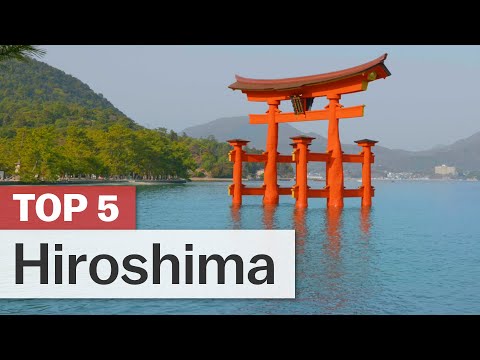
Top 5 Things to do in Hiroshima
Japan Guide · 411K views

【広島観光】1泊2日で観光・グルメを満喫するおすすめモデルコース|おりづるタワー|嚴島神社|原爆ドーム|お好み焼き|牡蠣|もみじクロワッサン
じゃらん · 122K viewsLocalja

THE Hiroshima Guide: ESSENTIAL Spots For Your Trip!
PiQtour Japan · 69K views

【広島観光】はじめての広島、おすすめの観光スポット7選
旅行の達人 · 46K viewsLocalja
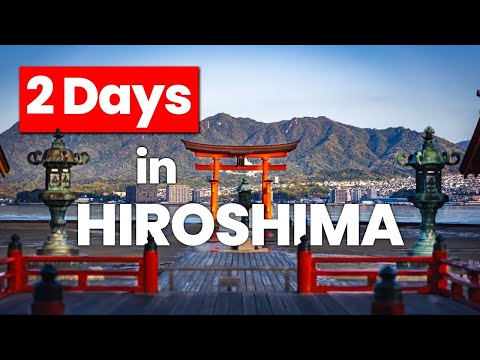
How to Spend 2 Days in HIROSHIMA - Japan Travel Itinerary
Inaka Adventure · 83K views

HIROSHIMA, JAPAN (2026) | The Best Things To Do In & Around Hiroshima
World Wild Hearts · 20K views
Best time to go
Best window: October–November and March
July and August are the months to avoid — very heavy rain. The window below is when it is genuinely pleasant.
Jan
Feb
Mar
Apr
May
Jun
Jul
Aug
Sep
Oct
Nov
Dec
IdealGoodOkayOff-season
Rated from ten years of daily temperature and rainfall recorded at this destination, via Open-Meteo's ERA5 reanalysis. Hover a month for its real numbers.
Getting around
By tram
Hiroshima has an extensive tram (streetcar) network, which is operated by Hiroden (広電). It's a slow but reliable way of getting around.
By bus
Bus lines run through Hiroshima and out to the suburbs. Generally speaking, these serve areas more likely to be used by locals than visitors. Signs include English, and buses depart next to the tram depot in front of JR Hiroshima Station.
By metro
The modern Astram (アストラムライン) links the city center with the northern suburbs, although there aren't many tourist sights out that way. Trips range from ¥180-470 by distance, with departures every few minutes 06:00-00:00.
By bike
Hiroshima is a great city for cycling. Most of the sidewalks are fairly wide by Japanese standards; the paths along the branches of the rivers offer a very pleasant ride, and if you're looking to test your legs, head up to the hills around Hijiyama Park.
Transport notes from Wikivoyage, CC BY-SA 4.0.
What to see
Places are listed from Wikivoyage and our own sourced research. Worth it means a second, independent source names the place too; “3 sources agree” means three or more do — and each card names them, so you can check. Single source means the opposite, said plainly: the reference article lists it and nothing else we checked does.
Peace Memorial Museum
Worth itAlso recommended by Lonely Planet
1-2 Nakajima-chō, Naka-ku· Free
This heart-wrenching museum documents the atomic bomb and its aftermath, from scale models of the city "before" and "after" to melted tricycles and other displays and artifacts related to the blast.
Description quoted from Wikivoyage, CC BY-SA
Vetted sources
A-Bomb Dome
Worth itAlso recommended by Lonely Planet
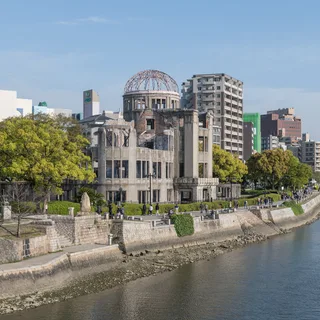
The skeletal remains of the dome are the most recognizable symbol of the atomic bombing in Hiroshima.
Description quoted from Wikivoyage, CC BY-SA
Vetted sources
Hiroshima Peace Memorial Park
Worth itAlso recommended by Lonely Planet
The skeletal A-Bomb Dome and Peace Memorial Museum document the 1945 bombing.
Vetted sources
Hiroshima National Peace Memorial Hall for the Atomic Bomb Victims
Single source1-6 Nakajima-chō, Naka-ku· Free
The Peace Memorial Hall is dedicated to collecting names and photographs of people who died in the blast.
Description quoted from Wikivoyage, CC BY-SA
Vetted sources
Memorial Tower to the Mobilized Students
Single sourceCommemorates the 6,300 students who were conscripted to work in munitions factories and killed by the atomic bomb.
Description quoted from Wikivoyage, CC BY-SA
Vetted sources
Children's Peace Monument
Single sourcePerennially draped in thousands of origami paper cranes folded by schoolchildren across Japan in the memory of the young bomb victim Sadako Sasaki (see Literature).
Description quoted from Wikivoyage, CC BY-SA
Vetted sources
Hypocenter
Single sourceOne block east of the A-Bomb Dome (outside Shima Clinic) is a plaque which marks the exact point above which the bomb exploded.
Description quoted from Wikivoyage, CC BY-SA
Vetted sources
What to do
Hiroshima Toyo Carp Baseball
Single source10 minute walk east from JR Hiroshima Station, or a shorter walk from the Enkobashi-cho tram stop
The much-beloved and much-bemoaned Carp are Hiroshima's entry in the Central League of Nippon Professional Baseball.
Description quoted from Wikivoyage, CC BY-SA
Vetted sources
Sake Festival
Single sourceThe suburb of Saijo is famous for its sake breweries and this annual boozy blow-out. For the price of entry, attendees can drink their fill of sake from local breweries.
Description quoted from Wikivoyage, CC BY-SA
Vetted sources
Hiroshima Sanfrecce Soccer
Single sourceAstram to Koiki Koen-mae
Sanfrecce (Japanese/Italian for "three arrows", from a Japanese folk tale) are Hiroshima's entry in the J-League, although they date back to 1938 as a semi-pro team.
Description quoted from Wikivoyage, CC BY-SA
Vetted sources
Flower Festival
Single source· Free
This is Hiroshima's biggest festival, begun in 1975 to celebrate the Carp's first baseball championship.
Description quoted from Wikivoyage, CC BY-SA
Vetted sources
Food Festival
Single source· Free
This one's pretty simple — food, glorious food of all kinds, from international delicacies to local favorites, from roasted slabs of meat and seafood to delicious vegetarian-friendly dishes and desserts, served in stalls lining…
Description quoted from Wikivoyage, CC BY-SA
Vetted sources
Peace Memorial Ceremony
Single sourcePeace Memorial Park· Free
Held each year on the anniversary of the atomic bombing, with many hibakusha in attendance. Ceremonies are held in the morning (8:15AM, the time the bomb was dropped).
Description quoted from Wikivoyage, CC BY-SA
Vetted sources
What to eat
Okonomimura
Worth itAlso recommended by Mark Wiens
A three-storey building packed with stalls grilling Hiroshima-style layered okonomiyaki.
Vetted sources
Okonomi-mura
Single sourceHatchobori tram stop
Three floors packed with no less than 27 okonomiyaki shops.
Description quoted from Wikivoyage, CC BY-SA
Vetted sources
Otis!
Single source1-20 Kako-machi, Naka-ku
Serving Tex-Mex in Hiroshima for more than twenty years, Otis! is the most vegetarian/vegan/organic-friendly restaurant in town, with items clearly marked on their English menu.
Description quoted from Wikivoyage, CC BY-SA
Vetted sources
Sankanou
Single source11-2 Ōsuga-cho, Higashi-ku
A tiny okonomi shop in a little back alley near the railroad tracks and beside Hiroshima Station. The shopkeep speaks English and is a friendly, enthusiastic young manga fan.
Description quoted from Wikivoyage, CC BY-SA
Vetted sources
Organ-za
Single sourceTokaichi-machi tram stop
If you and your companion have completely different tastes in mind, Organ-za offers dishes from India, Japan, Thailand, Vietnam, and others direct from the imagination of a capable and creative chef.
Description quoted from Wikivoyage, CC BY-SA
Vetted sources
Micchan
Single sourceChuden-mae tram stop
Reasonably priced okonomiyaki restaurant. There are branches in Hatchobori, Hiroshima Station, Sogo Department Store, Fukuya Department Store and Tokyo.
Description quoted from Wikivoyage, CC BY-SA
Vetted sources
Tachikoma
Single sourceDambara 1-chome tram stop
A tiny okonomoyaki shop where locals go, with very friendly owners. The okonomiyaki is quite good and filling, and there's beer to enjoy with it.
Description quoted from Wikivoyage, CC BY-SA
Vetted sources
Where to stay
Mitsui Garden Hotel Hiroshima
Single source9-12 Nakamachi, Naka-ku
Although the hotel is three-star, it provides many services such as free Wi-Fi, buffet breakfasts and three restaurant choices.
Description quoted from Wikivoyage, CC BY-SA
Vetted sources
J-Hoppers Trad Guesthouse
Single sourceDobashi-cho tram stop
A lively hostel with English speaking staff.
Description quoted from Wikivoyage, CC BY-SA
Vetted sources
JMS Aster Plaza
Single sourceWel City/Kosei Nenkin Kaikan bus stop
aka Hiroshima International Youth House (広島市国際青年会館). City convention center with guest rooms on top two floors. Cable Internet access in rooms, coin-fed access available in lounges, coin laundry facilities on 7th floor.
Description quoted from Wikivoyage, CC BY-SA
Vetted sources
Hiroshima Town Hotel 24
Single sourceHatchbori tram stop
Sort of a hybrid of a business hotel and a love hotel, featuring a bewildering array of cheap rates from the 70 minute "shower" up to 20 hours. It is clean, convenient, and comfortable.
Vetted sources
Chisun Hotel Hiroshima
Single sourceKanayama-cho tram stop
Bright, new, small rooms. Buffet breakfast is available
Description quoted from Wikivoyage, CC BY-SA
Vetted sources
Minshuku Ikedaya
Single sourceDobashi-cho tram stop
The rooms at this minshuku are clean, bright, and pleasant. The staff speak enough English to get you checked in, although you may not see a trace of them afterward.
Description quoted from Wikivoyage, CC BY-SA
Vetted sources
Build your day
Pick the places you want in Hiroshima, Japan and we will put them on a map in an order that does not cross the city twice.
Where to next
Nearby cities in Japan we’ve vetted too.
- MiyajimaItsukushima Shrine's vermillion torii gate appears to float on the tide.
- OkayamaKorakuen, among Japan's three finest landscape gardens, sits beside a black-walled castle.
- BeppuJapan's hot-spring capital, famous for its steaming 'hells' of coloured boiling ponds.
- FukuokaBirthplace of tonkotsu ramen, with riverside yatai food stalls lighting up at night.
- KobeHome of the original Kobe beef, plus a hillside port skyline.
- OsakaJapan's street-food capital, famed for takoyaki and okonomiyaki around the neon Dotonbori canal.
Travel content from Wikivoyage, CC BY-SA 4.0. Encyclopedic context from Wikipedia, CC BY-SA 4.0. Videos via the YouTube Data API.