Gathering the gems worth your time…
Destination guide
Nagoya
Japan
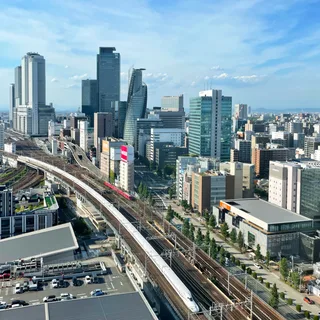
For the city in Batam, Indonesia, see Nagoya (Indonesia). Nagoya (名古屋) is the capital and largest city of Aichi prefecture, in the Chubu region of Honshu.
Introduction quoted from Wikivoyage, CC BY-SA
Sources gathered & checked 6 days ago
At a glance
- Best time to go
- March and November
- Getting around
- Subway · Taxi · Bicycle
- Vetted picks
- 27 places to see, do, eat, and stay
- Real coverage
- 6 vetted creator sources — mostly locals
AI insights
Local-ledAI-written from the Wikivoyage listings, transport section and mostly LOCAL creators' videos on this page
When eating at Yabaton, consider ordering the 'waraji' size; it is a massive portion of pork loin flattened before frying so that it overhangs the plate, providing a substantial take on the local red miso cutlet.
For a genuine experience, use the Sauna and Capsule Fuji Sakae, but be aware that it is male-only, strictly enforces nudity in the spa area, and does not provide electrical outlets inside the sleeping capsules.
Plan your visit to the Nagoya Sumo Tournament for mid-week dates; tickets for the first and last days sell out rapidly, while mid-tournament tickets are consistently available at the counter.
Nagoya is exceptionally flat, making it ideal for cycling, but ensure you use designated paid parking racks near stations, as parking is strictly limited to these specific areas.
When visiting Nagoya Castle, prioritize the honmaru goten palace, which was reconstructed using traditional methods, as the main keep is currently undergoing a long-term project to replace the existing concrete structure with a faithful reconstruction.
How these 27 picks are sourced
5 of 27 are named by a second, independent source — Lonely Planet — and each card names its own. The remaining 22 rest on the reference article alone: we list them because Wikivoyage or Wikipedia documents them, not because anyone else vouched for them. We also watched 6 creator videos, 3 of them from local channels rather than visiting ones. 18 of the 27 descriptions are quoted word for word from Wikivoyage under CC BY-SA rather than written by us, as is the introduction above — each of those cards says so. What we add is the checking, the corroboration above, and the choice of which places are worth your time at all.What we can't promise is that it's still true. Venues close, hours and prices change, and we don't re-check them — a place here closed for good and sat on this page for a year before anyone noticed. The insights are AI-written from these sources and can be wrong too. Confirm anything you'd be sorry to be wrong about before you set out. Terms.
Watch first
Ranked by views and how well each landed with the people who watched it, judged against the other coverage of this place — plus a local creator where we found one.
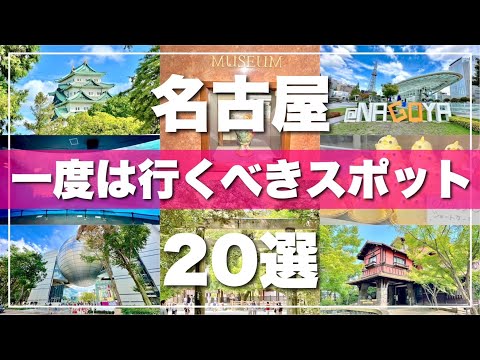
【名古屋】絶対に外せない観光スポットを20ヶ所一気に紹介します!
ゆめたび全国版【観るガイドブック】 · 667K viewsLocalja

A Day in Nagoya for the First Time – What to See & Do! Japan VLOG
Caro Pensieve · 45K views

【名古屋街歩き】地元の人がオススメする名古屋のオススメスポットを巡ってみた!【 cocoyan! 地元の人とつくる観光お出かけマップ! 名古屋篇】
【公式】近鉄おでかけチャンネル · 18K viewsLocalja

Nagoya Japan: 10 Best Things To Do In Nagoya Japan
10Minutes-Travel · 12K views
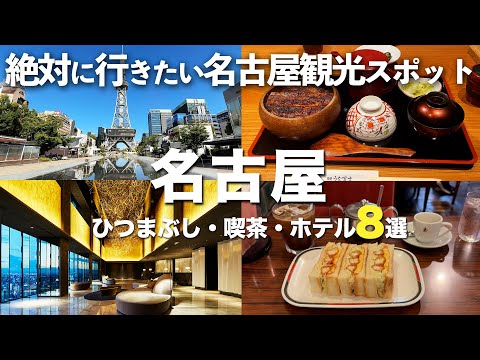
【名古屋観光】名古屋おすすめ観光スポット8選!一度は行きたい定番スポットを1泊2日で大満喫|三井ガーデンホテル名古屋プレミア
【公式】三井ガーデンホテルズ | Mitsui Garden Hotels · 5K viewsLocalja

Is Nagoya Worth Visiting? 10 Things to Do and See in Nagoya 名古屋; Japan Road Trip
Gibbon Travelogue · 6K views
Best time to go
Best window: March and November
June and July are the months to avoid — very heavy rain. The window below is when it is genuinely pleasant.
Jan
Feb
Mar
Apr
May
Jun
Jul
Aug
Sep
Oct
Nov
Dec
IdealGoodOkayOff-season
Rated from ten years of daily temperature and rainfall recorded at this destination, via Open-Meteo's ERA5 reanalysis. Hover a month for its real numbers.
Getting around
By subway
The red Sakuradōri Line (桜通線, S) curves southwest from Nagoya Station. The purple Meijō Line (名城線, M) runs in a loop around the eastern side of the city, connecting Sakae and Kanayama. The Meikō Line (名港線, E) spur branches from Kanayama to Nagoya Port.
By taxi
Taxis are a viable option in this car city, especially as the basic fee is only ¥500. The catch is that the basic fee only takes you 1.01 km compared to 2 km in most other parts of Japan.
By bicycle
Most parts of central Nagoya were built on landfill just above sea level, making it a relatively flat city and seemingly easy to traverse by bicycle.
Cycle sharing
Nagoya has a cycle sharing service called Cariteco Bike (run by the Meitetsu train company). It requires returning bicycles to the nearest docking station. As of May 2024, there are 410 docking stations around the city.
Parking
Bicycle parking near train and subway stations is strictly limited to designated and (usually paid) areas. Paid locking bike racks with fare collection machines are common and most charge around ¥100 for a day's worth of parking.
Transport notes from Wikivoyage, CC BY-SA 4.0.
What to see
Places are listed from Wikivoyage and our own sourced research. Worth it means a second, independent source names the place too; “3 sources agree” means three or more do — and each card names them, so you can check. Single source means the opposite, said plainly: the reference article lists it and nothing else we checked does.
Nagoya Castle
Worth itAlso recommended by Lonely Planet
Subway: Shiyakusho Stn (Meijo line); 5 min walk from exit 7
Trumpeted as a famous landmark, particularly the two golden carp (金の鯱 kin-no-shachi) on the roof. The original castle was home to Oda Nobunaga, one of Japan's famous warlords.
Description quoted from Wikivoyage, CC BY-SA
Vetted sources
Nagoya City Art Museum
Worth itAlso recommended by Lonely Planet
8 min on foot S of Fushimi stn (Higashiyama, Tsurumai Line), exit 5
Collection of 2,000 works including pieces by Modigliani, Laurencin, and Utrillo, as well as those of local artists, such as Takanori Ogisu and Tamiji Kitagawa.
Description quoted from Wikivoyage, CC BY-SA
Vetted sources
Atsuta-jingu Shrine
Worth itAlso recommended by Lonely Planet
Walk beneath towering cypress trees to one of Japan's most sacred Shinto shrines, said to house the legendary sword Kusanagi-no-tsurugi.
Vetted sources
Nagoya Castle and Honmaru Palace
Worth itAlso recommended by Lonely Planet
Tour the meticulously restored Honmaru Palace interior, then stroll the Ninomaru-teien garden's teahouses beside the castle moat.
Vetted sources
Tokugawa Art Museum
Worth itAlso recommended by Lonely Planet
See feudal-era swords, lacquerware and scrolls from the Tokugawa shogunate's own collection, prized by history lovers.
Vetted sources
Toyota Commemorative Museum of Industry and Technology
Single source3 minute walk from Meitetsu Sako Stn (Nagoya line), 10-minute walk from exit 2, Subway: Kamejima Station (Higashiyama Line)
Built on the site of one of Toyota's original loom factories, this museum tells the story of the Toyota corporation, from its beginnings as an industrial loom manufacturer to its transformation into one of…
Description quoted from Wikivoyage, CC BY-SA
Vetted sources
Port of Nagoya Aquarium
Single sourcea short walk from Subway Nagoyakō Stn. (Meikō line)
(site in Japanese) Large aquarium featuring a number of different marine environments, including killer whales.
Description quoted from Wikivoyage, CC BY-SA
Vetted sources
Atsuta Shrine
Single sourceJingūmae station
This shrine houses the sacred Kusanagi no mitsurugi (草薙神剣) sword, one of the three Imperial regalia of Japan — but unfortunately nobody but the emperor and a few high priests get to see it.
Description quoted from Wikivoyage, CC BY-SA
Vetted sources
Shirotori Garden
Single sourceJingūnishi station, located relatively near Atsuta Shrine
In this Japanese garden you can see and feed koi fish in large ponds, take a look at the tea ceremony house, and also view the beautiful waterfall.
Description quoted from Wikivoyage, CC BY-SA
Vetted sources
What to do
World Cosplay Summit
Single sourceParade: Osu Kannon (Tsurumai line) exit 1, World Cosplay Championship: Oasis 21, Sakae stn. exit 4A
An otaku's dream come true. Watch as anime fans from around the world dress up as their favorite characters and parade around the streets of Nagoya.
Description quoted from Wikivoyage, CC BY-SA
Vetted sources
Midland Square Cinemas
Single sourceacross from JR Nagoya Stn. (Subway: Nagoya Stn.)
On the 5th floor of the towering Midland Square building, this complex boasts 7 screens with stadium seating, and shows a range of popular Hollywood and Japanese mainstream movies.
Description quoted from Wikivoyage, CC BY-SA
Vetted sources
Nagoya Castle Summer Night Festival
Single sourceNagoya Castle, Subway: Shiyakusho stn.
A traditional-style summer festival, complete with lanterns, numerous styles of traditional bon-odori (盆踊り) circle dancing (to honour family ancestors), festival stalls, and a beer garden under an illuminated Nagoya castle.
Description quoted from Wikivoyage, CC BY-SA
Vetted sources
Nagoya Sumo Tournament
Single sourcea short walk from Shiyakusho stn. (Meijo Line)
Watch the big boys of Japanese sumo battle it out in Nagoya. An annual tradition. Tickets are generally available at the counter unless it is the first or last day. Ticket prices start and up.
Vetted sources
Osu Summer Festival
Single sourceShort walk from Osu Kannon Stn (Tsurumai line) exit 1
Yearly street festival held in the shopping streets around Osu Kannon temple. Featuring live stage performances, street performers, Brazilian samba parade and cosplay parade.
Description quoted from Wikivoyage, CC BY-SA
Vetted sources
Nagoya Adventure Cycle
Single sourcetours meet just outside Exit 4 of Kurokawa Station on the Nagoya City Subway Meijo Line
Offers cycle rentals and tours of Nagoya in English.
Description quoted from Wikivoyage, CC BY-SA
Vetted sources
What to eat
Antica Roma
Single sourceSubway: Kurumamichi Stn. (Sakura-dori line). 5 minute walk west of Exit 1 (towards Sakae) on N side of Sakura Dori street
Excellent high-class Italian food (like seafood risotto, broccoli pasta or herb-stuffed pork rolls), but also delicious oven-baked pizzas. All this in three superbly furnished rooms.
Description quoted from Wikivoyage, CC BY-SA
Vetted sources
Desperados
Single sourceSW of Shinsakae subway stn. (Higashiyama line)
Mexican and Tex-Mex restaurant and bar operated by Mexican-born and American-raised owner Rudy and his wife Takako. Features a variety of Mexican dishes and a selection of premium tequilas.
Description quoted from Wikivoyage, CC BY-SA
Vetted sources
Garden Restaurant Tokugawa-en
Single source10-min walk from South Exit of JR Ozone Station (JR Chuo line). 15 min. walk from Exit 3 of Ozone Subway Station (Meijo line).
This eatery serves Japanese-French cuisine with views of the beautiful Tokugawa-en Japanese gardens located next door.
Description quoted from Wikivoyage, CC BY-SA
Vetted sources
Yabaton
Single sourceSW of Yabacho subway stn. (Meijo line)
The place to try another Nagoya specialty - misokatsu, pork cutlet with red miso.
Description quoted from Wikivoyage, CC BY-SA
Vetted sources
Café de Metro
Single source1F Kanayama station (North Exit)
Serves up basic curry and donburi dishes, including a decent misokatsu with coffee/tea, orwith miso soup and pickles.
Vetted sources
Jerry's UNO
Single sourcenear Fureai Plaza in the Osu shopping district, to the giant manekineko statue's left (your right if you are facing the statue)
It's a nice little taco shop that will run you per taco. They also have a nice selection of international beers.
Vetted sources
Where to stay
Sauna and Capsule Fuji Sakae
Single sourcevery close to Sakae station
Huge capsule hotel right in the middle of Sakae.
Description quoted from Wikivoyage, CC BY-SA
Vetted sources
Meitetsu Inn Nagoya Kanayama
Single sourceKanayama subway station, exit 6. Turn right at Daiei, left at Coco, look for the blue-and-white Japanese sign
This business hotel was built in 2005 and has very clean rooms; in-room internet access and breakfast is included. The staff has some limited English ability./10,800/13,000 for single/small double/double.
Vetted sources
APA Hotel Nagoya Nishiki
Single sourceSakae subway station, exit 2, one block forward
This business hotel is in the middle of the Sakae dining and shopping district. The rooms are comparatively clean and the staff speaks English; internet access is included./single.
Vetted sources
Toyoko Inn
Single sourceThe popular no-frills Toyoko Inn chain operates six hotels in Nagoya. Toyoko Inn Club members can check in from 15:00.
Description quoted from Wikivoyage, CC BY-SA
Vetted sources
Daiichi Fuji Hotel
Single sourceNagoya train station, Shinkansen side, cross street 1 block south of Bic Camera, pass one alley, then turn left
This business hotel is a few blocks from train station on a street lined with business hotels. The rooms are very small; internet access is included if you have an Ethernet cable./single,/twin.
Vetted sources
Kyoya Ryokan
Single sourcenear Meido-cho, where the North-South freeway joins with the East-West counterpart. English directions supplied by the hostel are unclear; best advice is to grab a map from the tourist center. Kyoya is labelled. About a 15-minute walk from JR Nagoya station
Awesome ryokan-style hostel with a great vibe. Offers internet access, air conditioning, and security lockers. The hostel has a nice garden in the background and an onsen-style bath.
Description quoted from Wikivoyage, CC BY-SA
Vetted sources
Build your day
Pick the places you want in Nagoya, Japan and we will put them on a map in an order that does not cross the city twice.
Where to next
Nearby cities in Japan we’ve vetted too.
- KyotoOver a thousand temples and shrines, including Fushimi Inari's endless torii gates.
- TakayamaAn Edo-period old town of dark-wood merchant houses in the Japanese Alps, famed for Hida beef.
- NaraBowing wild deer roam Nara Park beside Todai-ji, home to a giant bronze Buddha.
- OsakaJapan's street-food capital, famed for takoyaki and okonomiyaki around the neon Dotonbori canal.
- MatsumotoOne of Japan's original wooden castles, the black 'Crow Castle', rises against the Alps.
- KanazawaKenroku-en, one of Japan's three great gardens, sits beside a preserved samurai district.
Travel content from Wikivoyage, CC BY-SA 4.0. Encyclopedic context from Wikipedia, CC BY-SA 4.0. Videos via the YouTube Data API.