Gathering the gems worth your time…
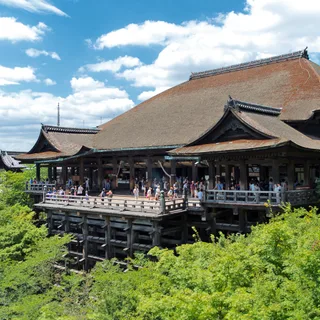
Destination guide
Kyoto
Japan
Kyōto () was the capital of Japan for over a millennium, and carries a reputation as the nation's most beautiful city and its cultural capital - even the national government's Agency for Cultural Affairs moved there in 2023.
Introduction quoted from Wikivoyage, CC BY-SA
At a glance
- Best time to go
- March and November
- Getting around
- Train · Subway · Bus
- Vetted picks
- 29 places — 1 backed by 3+ independent sources
- Real coverage
- 17 vetted creator sources
AI insights
Computed from the Wikivoyage listings, transport section and YouTube view counts on this page
The most-viewed guide here is "京都絶品グルメ12店〜ご当地名物オススメ食べ歩きひとり旅〜【独身男の出張メシ #80/京都出張編 最終夜】" by kurakamaのぶらり全国出張メシ (82K views) — a solid first watch.
kurakamaのぶらり全国出張メシ and 旅行好きのエイト / Eito Travel Channel are creators from here, not a visiting channel — worth watching for what the guidebooks skip.
Getting around: by train, by subway, by bus and 1 more — the section below has the details straight from Wikivoyage.
20 of the places below list a real price from their own source — worth a scan before you budget the trip.
How these 29 picks are sourced
5 of 29 are named by a second, independent source — Lonely Planet, I Will Always Travel for Food and Luke Martin, and 3 others — and each card names its own. The remaining 24 rest on the reference article alone: we list them because Wikivoyage or Wikipedia documents them, not because anyone else vouched for them. We also watched 17 creator videos, 7 of them from local channels rather than visiting ones. 24 of the 29 descriptions are quoted word for word from Wikivoyage under CC BY-SA rather than written by us, as is the introduction above — each of those cards says so. What we add is the checking, the corroboration above, and the choice of which places are worth your time at all.What we can't promise is that it's still true. Venues close, hours and prices change, and we don't re-check them — a place here closed for good and sat on this page for a year before anyone noticed. The insights are AI-written from these sources and can be wrong too. Confirm anything you'd be sorry to be wrong about before you set out. Terms.
Watch first
Ranked by views and how well each landed with the people who watched it, judged against the other coverage of this place — plus a local creator where we found one.
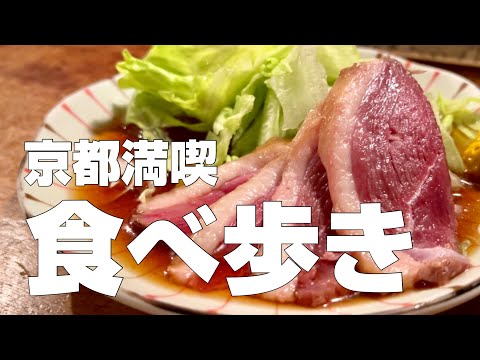
京都絶品グルメ12店〜ご当地名物オススメ食べ歩きひとり旅〜【独身男の出張メシ #80/京都出張編 最終夜】
kurakamaのぶらり全国出張メシ · 82K viewsLocalFoodja

$100 Japanese Street Food Challenge in Kyoto!!
More Best Ever Food Review Show · 2.6M viewsFood

【京都観光】絶対行くべき!京都のおすすめ観光スポット5選を紹介!
旅行好きのエイト / Eito Travel Channel · 45K viewsLocalja
Top 10 Things to DO in KYOTO Japan | WATCH BEFORE YOU GO
Paolo fromTOKYO · 1.6M views

【京都祇園エリア】食べ歩き vlog │ おすすめグルメ&スイーツ8選!お団子/抹茶/クレープ/清水寺
Prime Cafe Channel · 13K viewsLocalFoodja

First Impressions of Osaka & Kyoto, Japan
Kara and Nate · 1.2M views

【京都グルメ】京都食べ歩き|エリア別に紹介|京都旅行|京都観光|京都商店街/錦市場/嵐山/清水寺/烏丸/京都駅/とくら/六角キッチン
ゆーみートラベル CH · 8K viewsLocalFoodja

Kyoto Attractions & Japanese Tofu Meal
Mark Wiens · 931K viewsFood
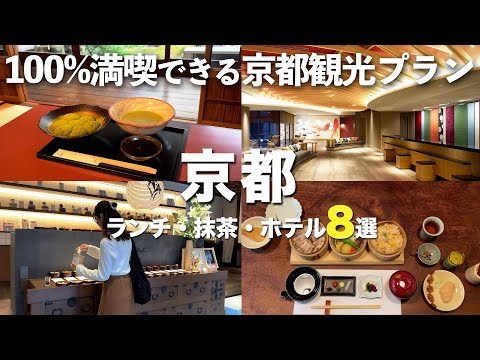
【京都観光】京都旅行におすすめの観光スポット8選|古都”京都”を大満喫!|朝食ビュッフェつきホテル・抹茶スイーツ・京都ランチ・ディナーなど徹底解説!
【公式】三井ガーデンホテルズ | Mitsui Garden Hotels · 4K viewsLocalja

Japanese Street Food Tour Top 10 in Kyoto Japan | Nishiki Market Food Guide
Paolo fromTOKYO · 684K viewsFood

【京都旅行】一度は訪れたい!京都の人気観光スポット7選
旅行の達人 · 2K viewsLocalja

Epic Street Food Tour in Kyoto Japan | Nishiki Market
I Will Always Travel for Food · 685K viewsFood
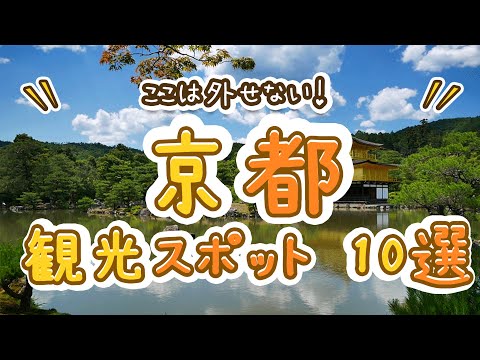
ここは外せない!京都の観光スポットおすすめ10選!歴史と文化に触れる古都旅!
良い旅ナビ · 1K viewsLocalja

13 Tips for a FANTASTIC Trip to Kyoto
Matt's Travel Tips · 311K views

Japanese STREET FOOD in Kyoto!! Nishiki Market & High-End KAISEKI in Japan!
Luke Martin · 186K viewsFood

KYOTO, JAPAN (2026) | 10 Best Things To Do In & Around Kyoto (+ Travel Tips)
World Wild Hearts · 122K views

KYOTO TRAVEL TIPS FOR FIRST TIMERS | 20+ Must-Knows Before Visiting Kyoto + What NOT to Do!
Happy to Wander (Travel Tips & Inspo) · 51K views
Best time to go
Best window: March and November
July is the month to avoid — very heavy rain. The window below is when it is genuinely pleasant.
Jan
Feb
Mar
Apr
May
Jun
Jul
Aug
Sep
Oct
Nov
Dec
IdealGoodOkayOff-season
Rated from ten years of daily temperature and rainfall recorded at this destination, via Open-Meteo's ERA5 reanalysis. Hover a month for its real numbers.
Getting around
By train
Kyoto is criss-crossed by several train lines, all of which are clearly sign-posted in English. Although the lines are run independently and prices vary slightly between them, transfers can be purchased at most of the ticket machines.
By subway
There are two subway lines which only serve a rather small part of the city. The north-south running Karasuma Line runs under Kyoto Station, and the west-east running Tozai Line links up with it near the city center.
By bus
The bus network is the only practical way of reaching some attractions, particularly those in north-western Kyoto. Fortunately the system is geared toward tourists, with destinations electronically displayed/announced in English as well as Japanese.
By bicycle
Particularly in spring and fall, but at any time of year, getting around by bicycle is an excellent option. Cycling forms a major form of personal transport year-round for locals. The city's grid layout makes navigation easy.
Transport notes from Wikivoyage, CC BY-SA 4.0.
What to see
Places are listed from Wikivoyage and our own sourced research. Worth it means a second, independent source names the place too; “3 sources agree” means three or more do — and each card names them, so you can check. Single source means the opposite, said plainly: the reference article lists it and nothing else we checked does.
Fushimi Inari Taisha
Worth itAlso recommended by Lonely Planet
Thousands of vermilion torii gates climb the sacred mountain in tunnel-like rows.
Vetted sources
Kinkaku-ji
Worth itAlso recommended by Lonely Planet
The gold-leaf Golden Pavilion reflects in its still garden pond.
Vetted sources
Arashiyama Bamboo Grove
Worth itAlso recommended by Lonely Planet
Towering bamboo stalks form a natural corridor west of the city.
Vetted sources
Nijō Castle
Single sourceTozai Subway Line to Nijojo Mae
Certainly one of the highlights of Kyoto, with fine gardens and splendid centuries-old structures. The castle was built by the Tokugawa shoguns to serve as the shogun's residence in Kyoto.
Description quoted from Wikivoyage, CC BY-SA
Nanzenji Temple
Single sourcenearest bus stop: Nanzenji/Eikando-michi, route 5
with its distinctive two-story entrance gate (sanmon) and aqueduct, is another popular temple in Kyoto, but its larger size means that it doesn't seem as crowded as many of the others.
Description quoted from Wikivoyage, CC BY-SA
Vetted sources
Yogen-in
Single sourceThe original temple was built by one of Hideyoshi Toyotomi's concubines in honor of her father, but the temple was destroyed by a fire.
Description quoted from Wikivoyage, CC BY-SA
Vetted sources
Shūgakuin Imperial Villa
Single sourceSakyō-ku, Shūgaku-in, Yabuso· Free
A beautiful villa commissioned by Emperor Gomizuno-o in 1655 and completed four years later.
Description quoted from Wikivoyage, CC BY-SA
Vetted sources
Otagi Nenbutsu-ji Temple
Single sourceBy bus, take #72 from Kyoto station to Otagidera-Mae, or within Arashiyama, catch #62 or #72.
Despite being omitted from virtually all guidebooks, it's one of the true unknown gems of Kyoto.
Description quoted from Wikivoyage, CC BY-SA
Vetted sources
Kokedera
Single source56 Jingatani-cho, Matsuo
Kokedera, also known as Saiho-ji, is one of Kyoto's World Heritage Sites famous for is beautiful moss garden.
Description quoted from Wikivoyage, CC BY-SA
Vetted sources
What to do
Kyoto Butoh-kan
Single sourcejust west of Karasuma Oike Subway stop
In the heart of the city is located the Butoh-kan, the world's first theatre devoted to weekly performances of the elusive dance of Butoh.
Description quoted from Wikivoyage, CC BY-SA
Vetted sources
Photo session as Maiko/Geiko
Single sourceGion
If you are interested in having a photo session dressed up as a maiko or geisha - or, for men, as a samurai - several studios in Kyoto provide this service at affordable price…
Description quoted from Wikivoyage, CC BY-SA
Vetted sources
Hozu River Cruise
Single sourceFor a 16km trip down the river take the JR Sagano Line from JR Kyoto station to JR Kameoka Station (approx. 20 minutes by rapid express) and turn left when you exit the station. It is a 10 minute walk to the boarding site along a rather busy road.
To experience Arashiyama to the fullest, the river cruise is your best bet! A variety of boats, small or large, both rowed and motored, are waiting on either side of the river.
Description quoted from Wikivoyage, CC BY-SA
Vetted sources
Ride in a Rickshaw
Single sourceFor those looking to experience Kyoto from a different perspective, travelling in a rickshaw allows you to do just that.
Description quoted from Wikivoyage, CC BY-SA
Vetted sources
Camellia, Tea Ceremony
Single source349 Masuya-cho, Higashiyama-ku, Kyoto 6050826
You can enjoy an authentic tea ceremony in a beautiful 100-year-old traditional Geisha house just five minutes from Kiyomizu Temple. Instruction, demonstration, a bowl of tea and a sweet are included.
Description quoted from Wikivoyage, CC BY-SA
Vetted sources
Walk the Philosopher's Path
Single sourceThe 2-km-long path through north-eastern Kyoto, along which a philosophy professor, Kitarō Nishida, used to frequently walk.
Description quoted from Wikivoyage, CC BY-SA
Vetted sources
What to eat
Nishiki Market
5 sources agreeAlso recommended by Lonely Planet and 4 others
A narrow five-block arcade of century-old food stalls, dubbed 'Kyoto's Kitchen'.
Vetted sources
Kikunoi
Worth itAlso recommended by Michelin Guide
Kaiseki multi-course dining regarded as a benchmark of refined traditional cuisine.
Vetted sources
Shishin Samurai Cafe & Bar
Single source230-1 Kamimyoukakuji-cho Nakagyo-ku
The place proclaims that an increase of food production, food self-sufficiency, and the decrease of food waste can prevent war.
Description quoted from Wikivoyage, CC BY-SA
Vetted sources
Ramen Factory Kyoto
Single source15-814-18 Honmashi, Higashiyama-ku
Ramen Factory Kyoto consists of the Ramen Restaurant (for eating - tabemasu) which offers different types of ramen such as Miso, Shoyu (Soy sauce), Shio (Salt) and Ramen Experience (for experience - taiken) which…
Description quoted from Wikivoyage, CC BY-SA
Vetted sources
Mishima-tei
Single sourceIf you have a yearning for sukiyaki, and your pockets are deep, you must visit Mishima-tei at the junction of Teramachi-dori and Sanjo-dori.
Description quoted from Wikivoyage, CC BY-SA
Vetted sources
Saryou Tsuriji
Single source573-3 Minami-gawa, Gion-cho
Famous for its matcha (grean tea) parfait, this restaurant is quite popular among Japanese tourists. It is not uncommon to wait 30 minutes just to get inside.
Description quoted from Wikivoyage, CC BY-SA
Vetted sources
Apollo
Single sourceRokakku-dori 2 blocks east of Karasuma-doritel
If hipster izakaya didn't exist before, Apollo has invented it. Izakaya style with a clean, laid back environment consisting more of hip and arty locals instead of an older "regulars" crowd.
Description quoted from Wikivoyage, CC BY-SA
Vetted sources
Ing
Single sourceNo night in Kyoto is complete without the requisite after hours visit to all-night Ing (a.k.a., "Box Bar," or "the office").
Description quoted from Wikivoyage, CC BY-SA
Vetted sources
Where to stay
Hotel Monterey Kyoto
Single sourcewest side of Karusuma, south of Sanjo
Japanese chain of boutique hotels. A 5-minute walk from Karasuma Oike station. A quick walk towards the heart of the city where restaurants and bars are located. Rates are best on their website, versus…
Description quoted from Wikivoyage, CC BY-SA
Vetted sources
Hana-Touro Stay Miyagawa-cho Residence
Single sourcetake bus 205 from the station five stops to Kawaramachi Matsubara, cross the bridge and walk up Kawabata Dori (with the river to your left), or Keihan railway to Gion Shijo and walk down
A modern apartment building in a convenient location between Gion and the center of the city, with quiet spacious (for Japan) en-suite rooms, including kitchenettes with utensils, perfect for self-catering.
Description quoted from Wikivoyage, CC BY-SA
Vetted sources
Mosaic Hostel
Single source4-1 Nishikujo Kasugacho, Minami-ku
Not a party hostel by any means, but has a friendly, social vibe, which seems to be encouraged by the free dinners they provide some days.
Description quoted from Wikivoyage, CC BY-SA
Vetted sources
Ryokan Hiraiwa
Single sourcea 15-min walk northeast from Kyoto Station, or take buses #17 or #205 from pier A2 to Kawaramachi-Shomen, the third stop
A self-proclaimed ryokan (really a minshuku) catering almost entirely to the foreign market, in an old Japanese house plastered with English signs, warnings and tips. All rooms are Japanese style.
Description quoted from Wikivoyage, CC BY-SA
Vetted sources
Palace Side Hotel
Single sourcea 3-min walk north from Marutamachi subway station K07
It's exactly where the name suggests: across the street from the Kyoto Imperial Palace and park, on Karasuma (near the intersection with Marutamachi).
Description quoted from Wikivoyage, CC BY-SA
Vetted sources
Tour Club
Single sourcea 9-min walk northwest from Kyoto Station
A friendly, clean hostel with both dorm and private rooms.
Description quoted from Wikivoyage, CC BY-SA
Vetted sources
Build your day
Pick the places you want in Kyoto, Japan and we will put them on a map in an order that does not cross the city twice.
Where to next
Nearby cities in Japan we’ve vetted too.
- NaraBowing wild deer roam Nara Park beside Todai-ji, home to a giant bronze Buddha.
- OsakaJapan's street-food capital, famed for takoyaki and okonomiyaki around the neon Dotonbori canal.
- KobeHome of the original Kobe beef, plus a hillside port skyline.
- NagoyaKnown for hitsumabushi grilled eel and the reconstructed Nagoya Castle.
- OkayamaKorakuen, among Japan's three finest landscape gardens, sits beside a black-walled castle.
- TakayamaAn Edo-period old town of dark-wood merchant houses in the Japanese Alps, famed for Hida beef.
Travel content from Wikivoyage, CC BY-SA 4.0. Encyclopedic context from Wikipedia, CC BY-SA 4.0. Videos via the YouTube Data API.